
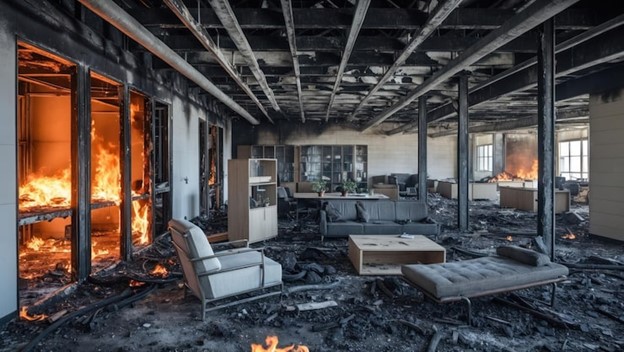
Fire damage rarely starts with a huge disaster. In many homes across Los Angeles County, it begins with something small. A kitchen mistake. An old wire behind the wall. A heater was left running too long. Within minutes, smoke spreads, flames grow and the damage becomes serious. That is when Chatsworth fire damage restoration services become essential to repair the home and restore safety.
Fire departments in California respond to lots of residential fires each year. According to records from the National Fire Protection Association (NFPA), cooking device and electrical issues remain the two most common triggers of house fires. Understanding the reasons allows house owners prevent danger and act fast while damage occurs.
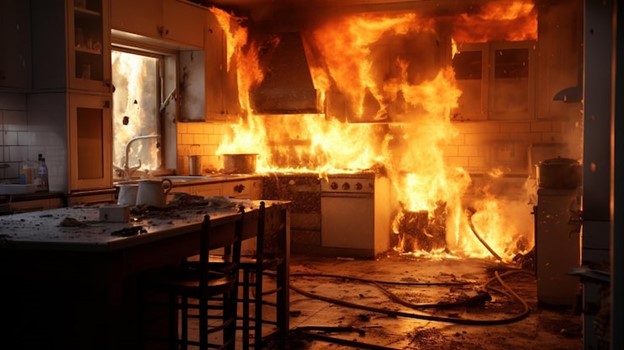
Kitchen Accidents Remain the Leading Cause
Cooking fires happen fast. Oil overheats. A towel sits too close to the burner. A pan gets forgotten on the stove while answering a call. Within seconds, flames can climb cabinets and reach the ceiling.
Grease fires are particularly risky due to the fact that water makes them worse. Fire spreads quickly through the kitchen ventilation and smoke can harm the entire domestic area, no longer just the cooking area.
When this happens, fire damage restoration Los Angeles professionals typically handle:
- Smoke residue removal from walls, ceilings and cabinets
- Odor neutralization using air filtration equipment
Even minor fires in the kitchen usually cause a highly odorous smoke which persists in fabrics, drywall and insulation.
Electrical Issues Hidden Inside Walls
Many fires that occur in houses are initiated in locations where nobody is present. The electrical wiring in the walls is slowly crumbling. This is enhanced by overloaded circuits or electrical panels that are too old.
There still may be old wiring installed more than half a century ago in some old houses in suburbia such as Chatsworth. The systems were not intended to accommodate the power use of the appliances that are used in the modern world.
Typical electrical fire causes include:
- Frayed or damaged wiring
- Overloaded extension cords
- Faulty electrical panels
- Old outlets or switches
Fire can be contained within walls and burn without being noticed until it becomes visible. The damage caused by smoke has been done by the time there is evidence as the flames show.
Heating Equipment and Space Heaters
Nighttime in the San Fernando Valley is usually cold and the residents have to use portable heaters. The gadgets are effective in heating limited areas but when they are misused, they cause danger. Below the curtains, bedding, or furniture, space heaters may set fire to the adjacent material. The NFPA estimates that the use of heating equipment is the cause of one out of seven home fires in the country.
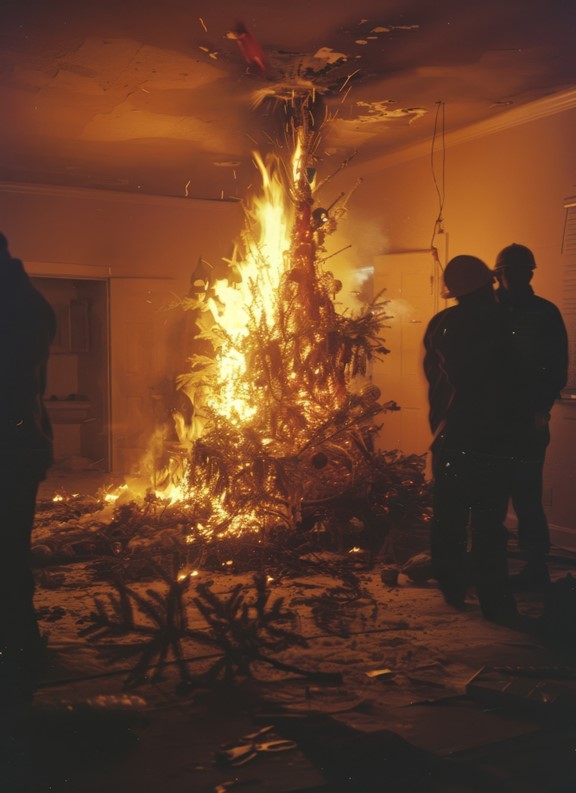
Even fireplaces can contribute to damage when chimneys are not cleaned regularly. Creosote buildup inside chimney walls is highly flammable and may ignite during use. Fire damage restoration teams frequently see homes where the fire started from heating equipment and spread through attic insulation or nearby wood framing.
Wildfire Embers and Outdoor Fire Spread
Chatsworth sits near open hills and dry vegetation. Wildfires in nearby areas sometimes send embers into residential neighborhoods.
Wind carries burning debris long distances. Embers landing on roofs, dry leaves, or wooden decks can ignite homes even when flames are far away.
During wildfire season, small sparks can cause:
- Roof and attic fires
- Exterior siding damage from heat
- Smoke contamination throughout the house
Fire restoration professionals often deal with heavy smoke damage after wildfire events, even when flames never fully enter the structure.
Candles and Open Flames
Candles make a peaceful atmosphere, yet they are still a frequent source of house burning. Paper, curtains or furnishings can be ignited by a single flame that has not been tended.
Ornaments and scented candles, which are part of holiday decorations, add to the threat as they are often put in areas close to combustible substances.
Numerous fire investigations can trace the point of origin to a candle that was burning too near something that was combustible.
Why Fast Restoration Matters After Fire Damage
Fire does not bring only scalded materials. The smoke particles are deposited deep into the walls, floors and HVAC. Unless removed soon soot can be left to make a permanent stain on a surface.
Professional restoration teams handle:
- Structural drying and debris removal
- Smoke odour elimination
- Air quality cleaning
- Full property repairs
Delays often allow smoke odour and corrosion to worsen, increasing the cost of repairs.
Conclusion
There are hardly any cases when residential fires occur without previous warning. Accidents in cooking, old age, electrical systems, heating devices, wildfires, and open fires are the most frequently occurring triggers. The prevention and awareness of risk mitigate this loss, and accidents occur.
In case of fire damage to a property, timely professional cleanup is important in restoring the safety, eliminating the smoke pollution and also repairing the damaged structure. The skilled crews such as SOS Restoration, can assist in restoring homes within a shorter time and rebuilding with confidence.
FAQs
What causes the most Chatsworth fire damage restoration cases?
Cooking accidents and electrical failures are the two most common causes. Both can spread smoke and fire quickly through a home.
How long does fire damage restoration take in Los Angeles?
The timeline depends on the severity of the damage. Minor smoke cleanup may take a few days, while major structural restoration can take several weeks.
Does smoke damage require professional fire damage restoration Los Angeles services?
Yes. Smoke particles settle deep into materials such as drywall, furniture, and ventilation systems. Professional equipment is usually required to remove odors and residue fully.
Can small fires still require Chatsworth fire damage restoration?
Absolutely. Even a small kitchen fire can produce significant smoke damage throughout the home, requiring professional cleanup and deodorization.